

Lawn water slides have become a popular addition to backyards, offering hours of fun for both kids and adults during the hot summer months. As a leading supplier of lawn water slides, I often get asked about the materials used in their construction. In this blog post, I'll delve into the various materials that go into making these exciting water play structures, explaining their properties, benefits, and why they're the top choices for our products.
PVC (Polyvinyl Chloride)
One of the most common materials used in lawn water slides is PVC. PVC is a synthetic plastic polymer that offers a range of advantages for water slide construction. It is highly durable, resistant to abrasions, and can withstand the wear and tear of regular use. This makes it ideal for withstanding the constant sliding of bodies and the friction that comes with it.
PVC is also waterproof, which is essential for a water slide. It prevents water from seeping through the material, ensuring that the slide remains dry on the outside and maintains its structural integrity. Additionally, PVC is relatively lightweight, making it easy to set up and move around the lawn as needed.

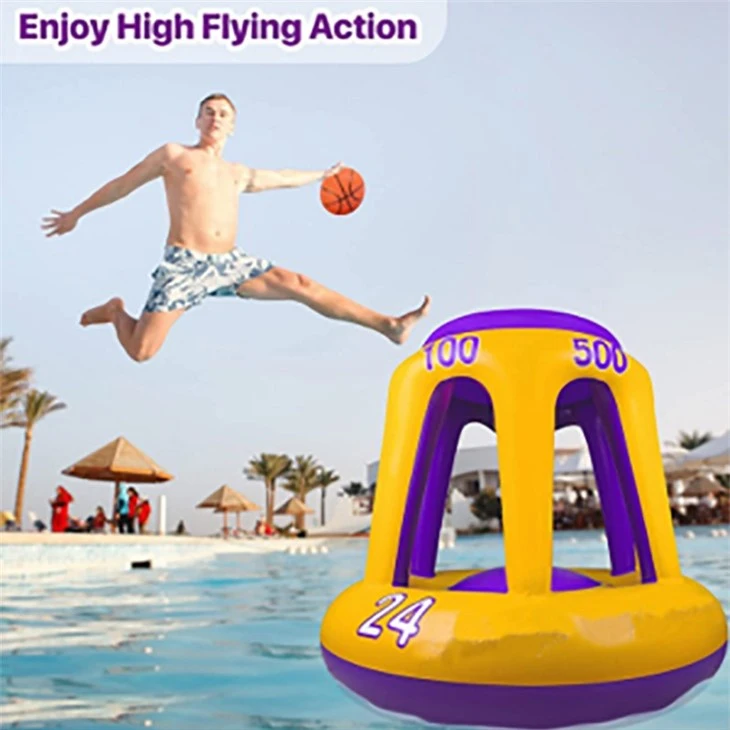
Another benefit of PVC is its flexibility. It can be easily molded into different shapes and sizes, allowing for the creation of unique and exciting slide designs. Whether it's a straight slide, a curved slide, or a slide with multiple twists and turns, PVC can be shaped to meet the desired specifications.
However, it's important to note that not all PVC is created equal. At our company, we use high-quality PVC that is free from harmful chemicals such as phthalates and lead. This ensures that our water slides are safe for children and the environment.
TPU (Thermoplastic Polyurethane)
In addition to PVC, we also use TPU in some of our lawn water slides. TPU is a type of plastic that combines the properties of rubber and plastic. It is known for its high elasticity, strength, and resistance to abrasion and punctures.
TPU is a great choice for water slides because it provides a smooth and slippery surface, allowing users to glide down the slide with ease. It also has excellent waterproofing properties, ensuring that the slide remains dry and comfortable to use.
One of the key advantages of TPU is its flexibility. It can stretch and bend without losing its shape, making it ideal for creating slides with complex designs. TPU is also resistant to UV rays, which means that it won't fade or degrade over time when exposed to sunlight.
Like PVC, TPU is also lightweight and easy to handle. It can be easily rolled up and stored when not in use, making it convenient for homeowners with limited storage space.
Nylon
Nylon is another material that is sometimes used in the construction of lawn water slides. Nylon is a synthetic polymer that is known for its strength, durability, and resistance to abrasion.
Nylon is often used in combination with other materials, such as PVC or TPU, to provide additional reinforcement and strength. It can be used to create the frame or support structure of the water slide, ensuring that it can withstand the weight of users and the forces exerted during sliding.
One of the benefits of nylon is its resistance to mildew and mold. This makes it a great choice for water slides that are exposed to moisture for extended periods of time. Nylon is also easy to clean and maintain, which is important for ensuring the longevity of the water slide.
Polyethylene
Polyethylene is a type of plastic that is commonly used in the manufacturing of various products, including lawn water slides. Polyethylene is known for its low cost, lightweight, and resistance to chemicals and moisture.
Polyethylene is often used in the base or bottom layer of the water slide to provide a stable and waterproof surface. It can also be used to create the inflatable parts of the slide, such as the walls or the landing area.
One of the advantages of polyethylene is its flexibility. It can be easily folded and stored when not in use, making it convenient for homeowners with limited storage space. Polyethylene is also resistant to UV rays, which means that it won't fade or degrade over time when exposed to sunlight.
Other Materials
In addition to the main materials mentioned above, lawn water slides may also incorporate other materials such as foam, fabric, and metal.
Foam is often used to provide cushioning and support in the landing area of the water slide. It helps to reduce the impact of the landing and prevent injuries.
Fabric is sometimes used to cover the slide or to create decorative elements. It can add a touch of style and personality to the water slide.
Metal is used in some of the structural components of the water slide, such as the frame or the support legs. It provides strength and stability, ensuring that the slide can withstand the weight of users and the forces exerted during sliding.
Conclusion
As you can see, there are several materials that are commonly used in the construction of lawn water slides. Each material has its own unique properties and benefits, and the choice of material depends on a variety of factors such as the desired design, durability, and cost.
At our company, we are committed to using high-quality materials in the production of our lawn water slides. We understand that safety and durability are of the utmost importance, and we take every step to ensure that our products meet the highest standards.
If you're interested in purchasing a lawn water slide, we invite you to explore our Swimming Pool Volleyball Sets, Round Inflatable Swimming Pool, and The Crazy Pool Basketball Hoop collections. Our products are designed to provide endless hours of fun and entertainment for the whole family.
If you have any questions or would like to discuss your specific requirements, please don't hesitate to contact us. We're here to help you find the perfect lawn water slide for your backyard.
References
- "Polyvinyl Chloride (PVC) - Properties, Uses, and Recycling." ThoughtCo.
- "Thermoplastic Polyurethane (TPU) - Properties and Applications." AZoM.com.
- "Nylon - Properties, Uses, and Production." Britannica.
- "Polyethylene - Properties, Types, and Applications." ScienceDirect.