


As a classic educational toy, jigsaw puzzles have attracted countless players with their unique fun and challenge since their birth. With the advancement of technology and the changing needs of consumers, jigsaw puzzles have evolved from flat to three-dimensional. With its three-dimensional structure and richer gameplay, three-dimensional puzzles bring a new experience to players. However, there has been controversy over whether three-dimensional puzzles or two-dimensional puzzles are more fun. This study aims to explore the development trends of three-dimensional puzzles and two-dimensional puzzles by reviewing the origin of puzzles, analyzing the current market and technology development status and consumer preferences, in order to provide a useful reference for the design and production of jigsaw puzzles.
The origin of puzzles
1.1 origin
The origin of jigsaw puzzles can be traced back to 18th century Europe. Initially, jigsaw puzzles were small assembly toys created by painters and craftsmen to display their works. Over time, jigsaw puzzles have gradually developed into a popular educational game, which is widely used in education, entertainment and decoration.
1.2 concept
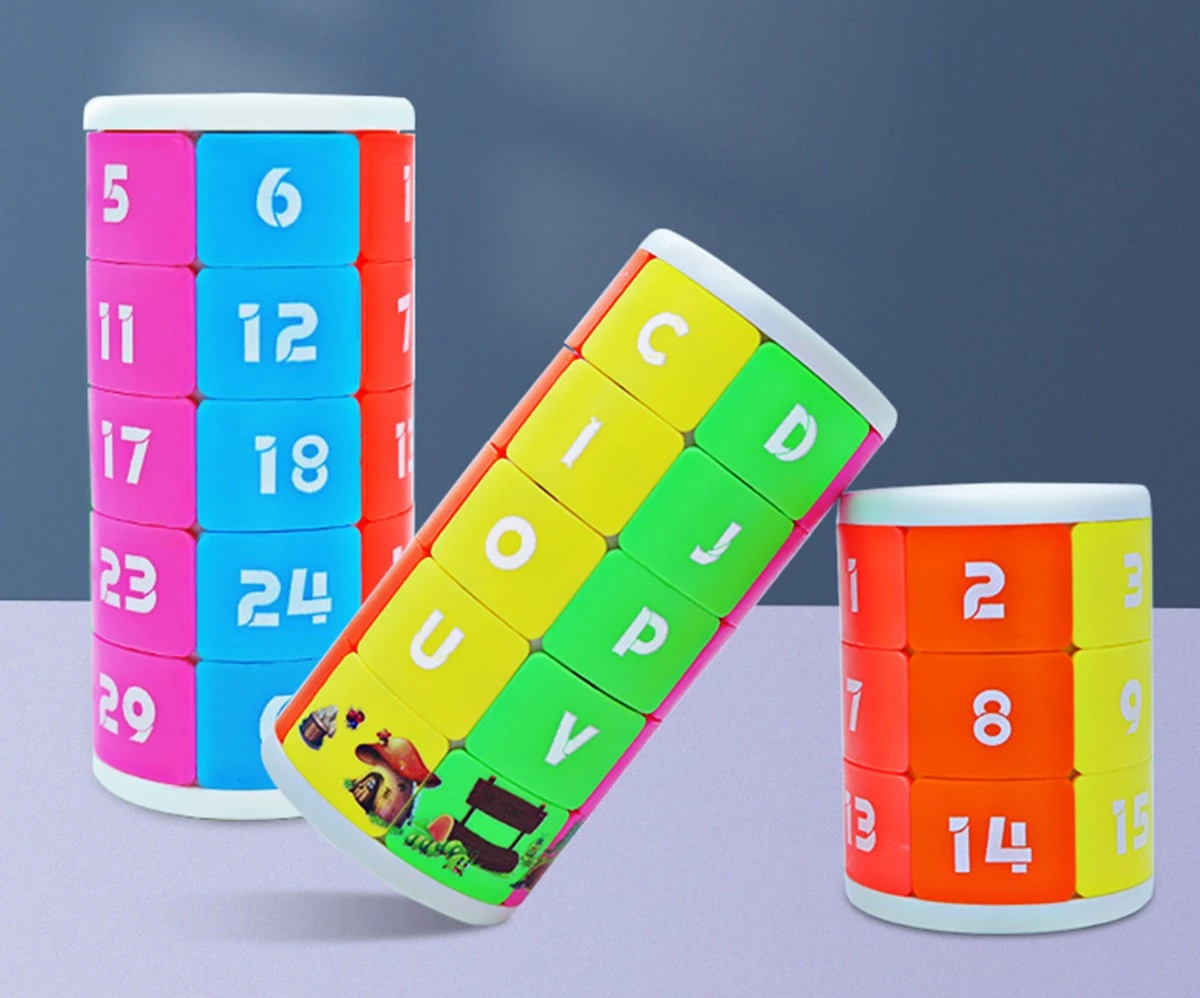
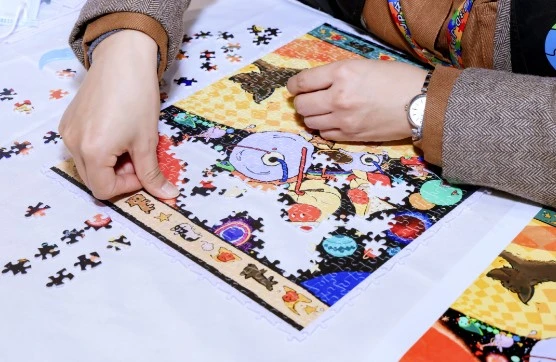
The design of jigsaw puzzles is based on psychological theories such as spatial cognition and pattern matching. Flat jigsaw puzzles use two-dimensional plane-shaped parts, requiring players to piece these parts together into a complete image through observation and reasoning. On the other hand, three-dimensional jigsaw puzzles use three-dimensional space design, requiring players to build a complete model in three-dimensional space. Both types of jigsaw puzzles exercise players' observation, imagination and logical thinking abilities.
1.3 Research Viewpoint
Research on puzzles mainly focuses on cognitive functions, educational value, and psychological effects. Studies have shown that puzzle toys can train players' spatial cognitive abilities, graphic matching abilities, and logical thinking abilities. However, the current research results are inconsistent on the question of whether three-dimensional puzzles or flat puzzles are more fun.
Some studies believe that three-dimensional puzzles can attract players' attention more because of their three-dimensional structure and richer gameplay;
Other studies suggest that flat puzzles are more suitable for beginners and children because of their simple and easy-to-understand rules and lower difficulty.
The current status of the development of three-dimensional puzzles and two-dimensional puzzles
2.1 Market Development Status
In recent years, with the improvement of people's living standards and the increase in leisure and entertainment needs, the jigsaw puzzle toy market has shown a booming trend. The global jigsaw puzzle toy market size continues to expand. According to data released by NPD, the global jigsaw puzzle toy market size has exceeded US$22.5 billion and is expected to maintain steady growth in the next few years. In the Chinese market, local brands and international brands compete for market share, and the competition is particularly fierce. As an innovative form of jigsaw puzzle toys, three-dimensional puzzles are gradually favored by consumers with their unique three-dimensional structure and rich gameplay.
2.2 Current state of technology development
With the continuous advancement of 3D printing technology and material science, the design and production quality of three-dimensional puzzles have been significantly improved. Modern three-dimensional puzzles are not only more complex and diverse in structure, but also made of materials that are more environmentally friendly and durable. In addition, the application of new technologies such as virtual reality (VR) and augmented reality (AR) in puzzle toys has brought players a more immersive experience.
2.3 Consumer preference analysis
From the perspective of consumer preferences, three-dimensional puzzles and flat puzzles each have their own audience groups. Three-dimensional puzzles are more popular among adults and teenagers due to their three-dimensional structure and challenge; while flat puzzles are more suitable for beginners and children due to their easy-to-understand rules and lower difficulty. In addition, consumers' demand for personalized and customized jigsaw puzzles is also increasing, which provides opportunities for the diversified development of the jigsaw puzzle market.
Research Results and Analysis
3.1 Comparative analysis of three-dimensional puzzles and two-dimensional puzzles
Through comparative analysis of three-dimensional puzzles and two-dimensional puzzles, this study found that:
Structural complexity: The structure of a three-dimensional puzzle is more complex and diverse, requiring players to have strong spatial imagination and construction ability; while the structure of a two-dimensional puzzle is relatively simple, and it focuses more on the cultivation of observation and reasoning ability.
Diversity of gameplay: The three-dimensional puzzle provides players with a richer gameplay and experience through the design of three-dimensional space; while the two-dimensional puzzle focuses more on the matching of patterns and shapes.
Audience: Three-dimensional puzzles are more popular with adults and teenagers because they usually have strong spatial thinking ability and patience; while two-dimensional puzzles are more suitable for beginners and children because of their simple and easy-to-understand rules and lower difficulty.
3.2 Consumer preferences and market demand
Through the analysis of consumer preferences and market demand, this study found that:
Personalized demand: Consumers' demand for personalized and customized jigsaw puzzles is increasing, which provides opportunities for the diversified development of the jigsaw puzzle market.
Educational demand: In kindergarten and primary school, graphic cognition is one of the important contents for children to develop intelligence and cultivate aesthetic emotions. As a special graphic cognition teaching tool, three-dimensional jigsaw puzzles have been paid more and more attention by teachers and parents.
Leisure and entertainment demand: With the improvement of people's living standards and the diversification of leisure and entertainment methods, jigsaw puzzles, as an educational and leisure entertainment method, have gradually been favored by consumers.
The development trend of three-dimensional puzzles and two-dimensional puzzles
4.1 Technological innovation drives product upgrades
With the continuous development of new technologies such as 3D printing, virtual reality (VR), and augmented reality (AR), the design and production quality of three-dimensional and two-dimensional puzzles will be further improved. New technologies will give jigsaw puzzles more diverse ways of playing and experiences, meeting the ever-changing needs of consumers.
4.2 Diversified development meets personalized needs
In the future, the jigsaw puzzle market will show a trend of diversified development. Manufacturers will provide more personalized and customized jigsaw puzzle products to meet consumers' uniqueness and creative expression needs. At the same time, jigsaw puzzles will combine new technologies such as VR and AR to enhance the interactivity and fun of products.
4.3 Educational applications expand market space
As a special graphic cognitive teaching tool, three-dimensional puzzles have important application value in kindergarten and primary school education. In the future, as parents pay more attention to children's education, the demand for educational jigsaw puzzles will continue to increase. This will bring new growth space to the jigsaw puzzle market.
5.4 Environmentally friendly materials become a development trend
As consumers' awareness of environmental protection increases, jigsaw puzzles made of environmentally friendly materials will become more and more popular in the market. Manufacturers will pay more attention to environmental protection and social responsibility in the production process to promote the sustainable development of the jigsaw puzzle industry.
Conclusion
Through an in-depth analysis of the origin, development status and trends of three-dimensional puzzles and plane puzzles, the following conclusions are drawn:
• Three-dimensional puzzles and plane puzzles each have their own characteristics and audience groups. Three-dimensional puzzles focus more on the cultivation of spatial imagination and construction ability, while plane puzzles focus more on the cultivation of observation and reasoning ability.
• With the continuous advancement of technology and the continuous changes in consumer demand, both three-dimensional puzzles and plane puzzles will show a trend of diversified development.
• Three-dimensional puzzles have broad application prospects in the field of education and will become an important growth point in the puzzle toy market.
• Environmentally friendly materials will become the development trend of the puzzle toy industry and promote the sustainable development of the industry.


