

As a supplier of baby swimming floats, I've witnessed firsthand the joy and convenience these products bring to parents and their little ones. However, it's crucial to acknowledge that like any product, baby swimming floats come with their own set of drawbacks. In this blog post, I'll delve into the potential issues associated with using a baby swimming float, providing a balanced perspective to help parents make informed decisions.
1. Safety Risks
One of the most significant drawbacks of using a baby swimming float is the potential safety risks it poses. While these floats are designed to keep babies afloat in the water, they are not a substitute for proper adult supervision. Accidents can happen in an instant, and a momentary distraction can lead to a tragic outcome.
Even the most well - designed baby swimming floats can malfunction. The float may develop a leak, causing it to deflate unexpectedly. This can leave the baby in the water without support, increasing the risk of drowning. Additionally, if the baby is not properly secured in the float, they may slip out, especially if they become restless or start to wriggle.
According to the World Health Organization, drowning is a leading cause of accidental death among children under the age of five. Using a baby swimming float should never give parents a false sense of security. It's essential to always stay within arm's reach of the baby in the water, regardless of whether they are using a float or not.
2. Limited Mobility and Muscle Development
Another drawback of baby swimming floats is that they can limit a baby's natural movement in the water. When a baby is in a float, their body is in a relatively fixed position, which restricts their ability to move their arms and legs freely. This limited mobility can hinder the development of their swimming skills and muscle strength.
Swimming is an excellent form of exercise for babies as it helps to strengthen their muscles, improve their coordination, and enhance their balance. However, when a baby is confined to a float, they are not able to fully engage in the natural movements required for swimming. This can delay the development of their motor skills and make it more challenging for them to learn to swim independently in the future.
3. Skin Irritation and Allergic Reactions
Many baby swimming floats are made from synthetic materials such as PVC (polyvinyl chloride). These materials can sometimes cause skin irritation or allergic reactions in babies, especially those with sensitive skin. The chemicals used in the manufacturing process of these floats may leach out and come into contact with the baby's skin, leading to redness, itching, or rashes.
In addition, the warm and moist environment of the water can exacerbate these skin problems. If a baby spends a long time in a float, the skin under the float may become irritated due to friction and lack of air circulation. It's important for parents to be aware of these potential skin issues and to choose a baby swimming float made from hypoallergenic materials if their baby has sensitive skin.
4. Dependency on the Float
Using a baby swimming float can create a sense of dependency in the baby. Once they get used to the support provided by the float, they may become reluctant to swim without it. This can make it more difficult for them to transition to swimming without assistance as they grow older.
Babies need to learn to trust their own abilities in the water and develop the confidence to swim independently. Relying too heavily on a float can prevent them from building this self - confidence and may even create a fear of the water when they are eventually asked to swim without it.
5. Inadequate for All Water Conditions
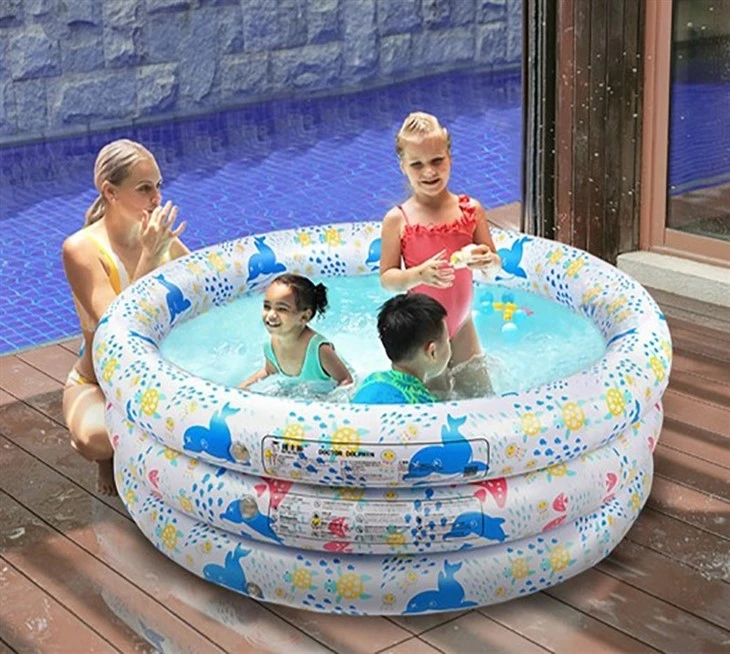
Baby swimming floats are typically designed for use in calm, shallow water, such as in a Round Inflatable Swimming Pool or a Inflatable Kids Pool. They are not suitable for use in open water, such as lakes, rivers, or the ocean, where there may be strong currents, waves, or undertows.
In these more challenging water conditions, a baby swimming float may not provide sufficient support or stability. The float can be easily swept away by the current, putting the baby at risk of drowning. Parents should always be aware of the limitations of the baby swimming float and choose the appropriate swimming environment for their child.
6. Maintenance and Storage
Maintaining and storing a baby swimming float can also be a hassle. After each use, the float needs to be thoroughly cleaned and dried to prevent the growth of mold and bacteria. If the float is not properly maintained, it can become a breeding ground for germs, which can be harmful to the baby's health.
Storing the float can also be a challenge, especially if you have limited space at home. Floats can take up a significant amount of room, and if they are not stored properly, they may become damaged or lose their shape.
Conclusion
While baby swimming floats can be a fun and convenient way for babies to enjoy the water, it's important to be aware of their drawbacks. Safety should always be the top priority, and parents should never rely solely on a float to keep their baby safe in the water.
At the same time, we understand that baby swimming floats have their place, and when used correctly, they can provide a great opportunity for babies to have a positive experience in the water. Our Baby Swimming Float is designed with safety and comfort in mind, but we also encourage parents to use it responsibly.
If you're considering purchasing a baby swimming float, we'd love to have a conversation with you about our products. Feel free to reach out to us to discuss your specific needs and concerns. We're here to help you make the best choice for your little one.

References
- World Health Organization. (2023). Drowning: Prevention of a leading killer.
- American Academy of Pediatrics. (2022). Water safety for infants and toddlers.