

Hey there! As a supplier of baby swimming floats, I often get asked a bunch of questions about these little life - savers. One question that pops up quite a bit is, "Can a baby swimming float be used in rough water?" Let's dive right into this topic and figure it out.
First off, let's talk about what a baby swimming float is. It's a device designed to help babies and toddlers stay afloat in the water. There are different types, like the inflatable arm floaties, neck floats, and ring - shaped floats. These are super popular among parents who want their little ones to have a safe and fun time in the water. For example, our Swim Arm Floaties for Kids are made from high - quality, non - toxic materials and are brightly colored to attract the kids' attention.
Now, let's think about rough water. Rough water can mean different things. It could be waves at the beach, strong currents in a river, or even just a pool with a lot of splashing and movement. These conditions can be pretty challenging even for experienced swimmers, let alone tiny babies.
When it comes to using a baby swimming float in rough water, the short answer is no. And here's why.
Safety First
The primary purpose of a baby swimming float is to provide a bit of extra buoyancy and stability in calm, controlled waters. In rough water, the forces at play are just too much for these small devices. Waves can easily flip a baby over, even if they're in a float. The float might not be able to withstand the impact of a large wave or the pull of a current.
Let's take a look at the physics behind it. The float works by displacing water and creating an upward force that counteracts the baby's weight. But in rough water, the water is constantly moving and changing direction. This makes it very difficult for the float to maintain a stable position. For instance, if a wave hits the float from the side, it can cause the baby to tip over. And once a baby is in the water without proper support, it can be extremely dangerous.
Limited Mobility
Baby swimming floats are designed to give babies some freedom to move their arms and legs while in the water. But in rough water, this limited mobility can be a problem. The baby might not be able to react quickly enough to changing conditions. For example, if a wave is coming, a baby can't swim out of the way like an adult can. They rely on the float to keep them safe, but the float might not be up to the task.
Material and Design Limitations
Most baby swimming floats are made from lightweight, inflatable materials. These materials are great for normal pool use, but they're not built to handle the harsh conditions of rough water. The pressure from waves and currents can cause the float to deflate or tear. And once the float is damaged, it's no longer providing the necessary support.

Let's say you're at the beach. The sand and saltwater can also be tough on the float. The sand can scratch the surface of the float, weakening it over time. And the saltwater can corrode the materials, making them more likely to break.
So, Where Can Baby Swimming Floats Be Used?
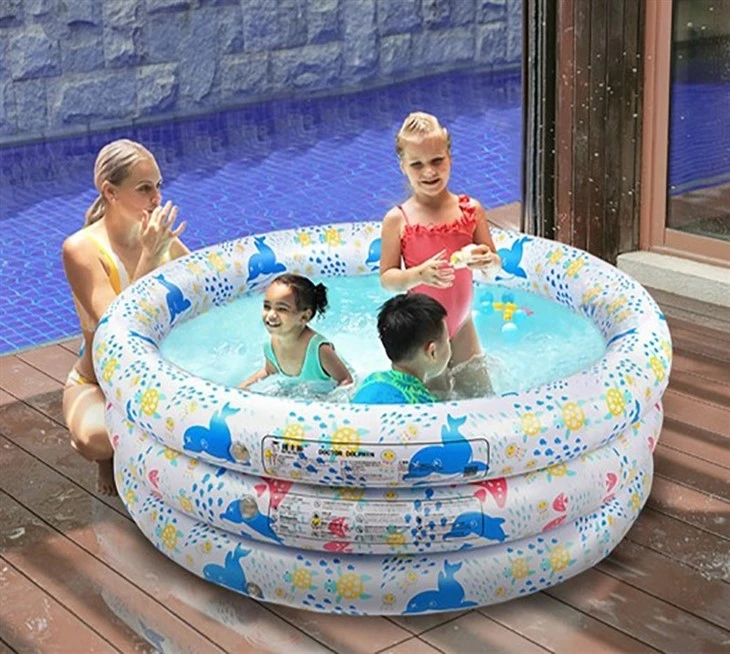
Baby swimming floats are best used in calm, shallow waters like a small backyard pool. A Round Inflatable Swimming Pool is a perfect example. These pools are designed for kids and provide a safe and controlled environment. The water is usually still, and there are no strong currents or waves.
In a pool, parents can closely supervise their babies while they're in the float. They can also use other safety measures, like staying within arm's reach of the baby at all times. This way, if something goes wrong, they can quickly intervene.
Another great option is a baby swimming class. These classes are usually held in a pool with trained instructors. The instructors can teach parents how to use the float properly and how to keep their babies safe in the water.
What About Other Water Toys?
While baby swimming floats are not suitable for rough water, there are other water toys that can add to the fun in a safe environment. For example, our Swimming Inflatable Ring Toss Game Toy is a great way to keep kids entertained in the pool. It's made from durable materials and can be used in calm waters without any problems.
This toy can also help kids develop their hand - eye coordination and motor skills. And since it's designed for pool use, it's much safer than trying to use a baby swimming float in rough water.
Our Commitment to Safety
As a supplier of baby swimming floats and other water toys, we take safety very seriously. All of our products are tested to meet strict safety standards. We use high - quality materials and follow the latest manufacturing techniques to ensure that our products are as safe as possible.
But we also know that safety doesn't just depend on the product. It also depends on how the product is used. That's why we always recommend that parents follow the instructions carefully and never use our products in unsafe conditions.
Conclusion
In conclusion, baby swimming floats are wonderful tools for introducing babies to the water in a safe and fun way. But they are not meant for rough water. Parents should always choose calm, controlled environments like a backyard pool or a baby swimming class.
If you're looking for high - quality baby swimming floats and other water toys, we're here to help. We offer a wide range of products that are designed with your baby's safety and enjoyment in mind. Whether you need Swim Arm Floaties for Kids, a Swimming Inflatable Ring Toss Game Toy, or a Round Inflatable Swimming Pool, we've got you covered.
If you're interested in purchasing our products or have any questions, feel free to reach out to us. We're always happy to help with your procurement needs and have a chat about how our products can make your baby's swimming experience a great one.
References
- American Academy of Pediatrics. (2023). Water safety for infants and toddlers.
- National Safety Council. (2023). Guidelines for safe water activities with children.